Building a Safety Culture on Multinational Jobsites
Managing international construction and engineering projects comes with unique challenges—tight deadlines, diverse teams, and complex safety requirements. Filipino tradesmen have earned a reputation for strong work ethic and safety awareness, making them valuable assets on global projects.
However, even skilled workers thrive best under clear safety standards and active supervision. Establishing a robust safety culture from day one ensures that every worker, regardless of background, understands expectations and can perform confidently. By prioritizing safety, project managers not only reduce accidents but also improve productivity and team cohesion, creating a smoother workflow across culturally diverse teams.
Aligning Standards: Safety & Quality Expectations
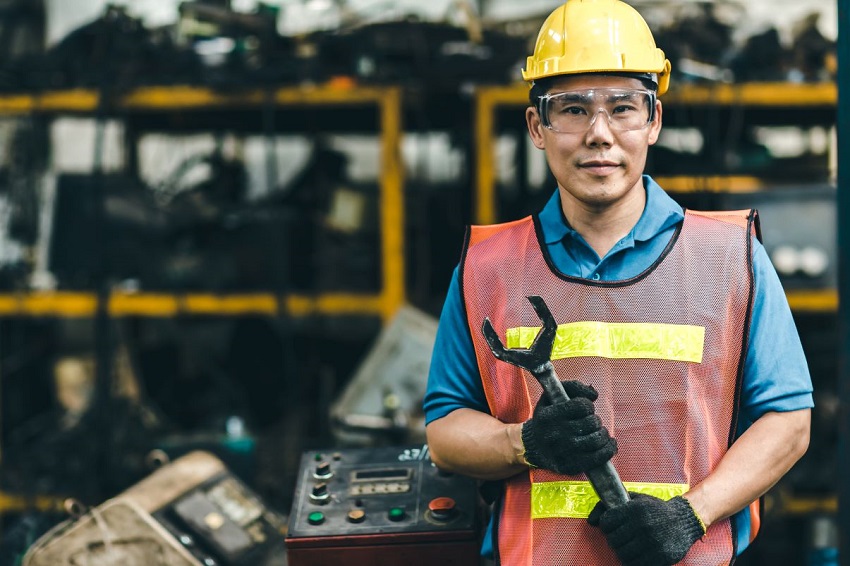
Bringing Filipino tradesmen into an overseas project requires careful alignment of safety and quality standards. While many come with extensive experience, each country and company may have unique procedures, regulations, and expectations. Start by harmonizing the company’s operational standards with the tradesmen’s prior training. This process begins with a comprehensive orientation that covers site-specific hazards, emergency protocols, proper use of personal protective equipment, and quality benchmarks for workmanship.
Documentation is equally important. Provide manuals, checklists, and safety guides in clear language, and consider bilingual materials if necessary.
Certifications such as welding credentials, electrical licenses, or machinery training should be verified before work begins.
A well-structured onboarding process ensures that all tradesmen understand both the practical and regulatory requirements of the project. Additionally, fostering open communication—encouraging questions, feedback, and regular check-ins—reinforces these standards and creates a culture where safety and quality are non-negotiable.
Supervision Models That Work
Effective supervision is key to maximizing both safety and efficiency when working with overseas tradesmen. Mentoring programs that pair experienced team members with new arrivals help accelerate acclimation to site practices. Bilingual supervisors or coordinators can bridge language gaps, ensuring instructions are clear and misunderstandings are minimized. Daily toolbox talks are an effective practice: brief, focused discussions about immediate tasks, hazards, and expectations help tradesmen stay informed and prepared.
Tracking key performance indicators (KPIs) is another critical tool. Monitoring metrics such as safety compliance, productivity rates, and error frequency allows supervisors to identify issues early and provide timely guidance.
By combining mentoring, bilingual support, structured daily communication, and data-driven oversight, teams can reduce ramp-up time and integrate tradesmen seamlessly into the workflow. These models also create an environment of accountability and continuous improvement, which benefits both workers and project outcomes.
Compliance & Documentation
Overseas projects require meticulous attention to compliance and documentation. Filipino tradesmen must have valid work permits, visas, and employment contracts that align with local labor laws. Certifications, licenses, and specialized training should be verified and recorded systematically. Maintaining up-to-date documentation not only protects the employer from legal liabilities but also demonstrates commitment to worker safety and professionalism.
Record keeping should include incident logs, safety inspection reports, and proof of ongoing training. Digital systems can streamline this process, allowing supervisors to access documents quickly and maintain consistent compliance across multiple sites. Ensuring that every tradesman’s credentials and work status are current fosters trust between management, regulatory authorities, and workers, creating a safer and more accountable work environment.
Conclusion
Successfully managing overseas projects with Filipino tradesmen requires a careful balance of safety culture, clear supervision, and diligent compliance practices. By harmonizing standards, implementing effective supervision models, and keeping thorough documentation, project managers can achieve both operational efficiency and workforce satisfaction.
For further guidance on integrating Filipino tradesmen into international projects, refer to the employer guidelines for Filipino tradesmen abroad to ensure full compliance and a smooth, productive project experience.
Greatways